Understanding Drainage Surveys: What You Need to Know
In the dynamic landscape of property ownership and construction, the importance of comprehensive drainage surveys cannot be overstated. As a homeowner, developer, or architect, understanding the nuances of drainage systems is key to preventing unforeseen issues that may lead to costly repairs or structural damage. This is especially true in urban locations like London and Surrey, where outdated or poorly maintained infrastructure can cause significant challenges. When exploring options, Drainage Survey London provides comprehensive insights into the state of your drainage systems.
What is a Drainage Survey London?
A drainage survey is a detailed examination of underground drainage systems using advanced camera technology. This non-invasive method allows surveyors to assess the condition of pipes, identify blockages, and detect structural issues without the need for extensive excavation. The primary aim is to create a comprehensive report that outlines the condition and layout of drainage infrastructure, enabling property owners and developers to make informed decisions regarding repairs or upgrades.
Common Types of Drainage Surveys
- CCTV Drain Surveys: Utilising high-resolution cameras, these surveys capture real-time footage of the drainage system, helping to identify issues like blockages, tree root intrusions, or cracks.
- Drainage Condition Surveys: Focused on assessing the physical state of the drainage pipes, these surveys evaluate the durability and functionality of the existing system.
- Utility Mapping Surveys: These surveys identify and map the location of various underground utilities, ensuring safe excavation and construction practices.
Key Benefits of Conducting a Drainage Survey
There are myriad advantages to conducting a drainage survey, not only to prevent potential disruptions but also to improve long-term property management. Benefits include:
- Identifying Issues Early: Regular drainage surveys allow for early detection of problems, preventing costly repairs and extensive damage.
- Informed Decision-Making: Comprehensive reports provide essential data for making informed decisions about repairs or renovations.
- Regulatory Compliance: In many cases, obtaining a drainage survey is a requirement for construction or renovation projects, ensuring compliance with local regulations.
Choosing a Reliable Drainage Survey Provider
Selecting the right drainage survey provider is critical to ensuring the accuracy and reliability of your survey results. A qualified surveyor will have the necessary equipment, experience, and knowledge to carry out thorough inspections. Look for providers with good reputations, verified credentials, and positive reviews from past clients.
How to Identify Professional Drainage Surveyors
There are several indicators that can help you identify a professional drainage surveyor:
- Accreditations: Look for surveyors who are accredited by recognised bodies, confirming they adhere to industry standards.
- Experience: A provider with extensive experience in the field is likely to be more reliable and knowledgeable.
- Client Testimonials: Positive feedback from previous customers can provide assurance of their professionalism and service quality.
Signs of a Reputable CCTV Drainage Survey Company
A reputable CCTV drainage survey company will consistently demonstrate transparency and professionalism. Some signs to look for include:
- Detailed Proposals: They should provide clear and comprehensive proposals outlining the services offered and associated costs.
- Post-Survey Reports: Expect thorough reports that include video footage, photographs, and recommendations for action.
- Customer Service: Excellent customer service should be evident at every stage, from initial contact to post-survey follow-up.
Questions to Ask Before Hiring
Before engaging a drainage survey company, consider asking the following questions:
- What type of equipment do you use for drainage surveys?
- Can you provide references from previous clients?
- What is the typical turnaround time for receiving survey reports?
- How are your services priced, and what can affect the overall cost?
Cost Factors in Drainage Surveys: What to Expect
The costs associated with drainage surveys can vary significantly based on a number of factors. Understanding these can help you budget effectively and avoid unexpected expenses.
Typical Pricing for Drainage Survey London Services
On average, the cost for a drainage survey in London can range from £150 to £300, depending on the complexity of the system and the survey type needed. CCTV surveys specifically tend to be on the higher end due to the advanced equipment and technology used.
Factors Influencing Survey Costs
- Property Size: Larger properties may require more extensive surveys, increasing overall costs.
- Survey Type: The type of survey (CCTV, condition, utility mapping) chosen will impact the final pricing.
- Location: Accessibility of the property and its drainage system can also influence costs.
How to Get Accurate Quotes
To obtain accurate quotes, it is advisable to contact multiple drainage survey providers. Ensure you provide them with detailed information about your property and the specific services you require. This will enable them to give you a more precise estimate tailored to your needs.
The Process of Conducting a Drainage Survey
Understanding the steps involved in conducting a drainage survey can help set expectations and ensure a smooth process.
Step-by-Step Guide to a CCTV Drain Survey
- Initial Assessment: The surveyor will assess the property and drainage access points.
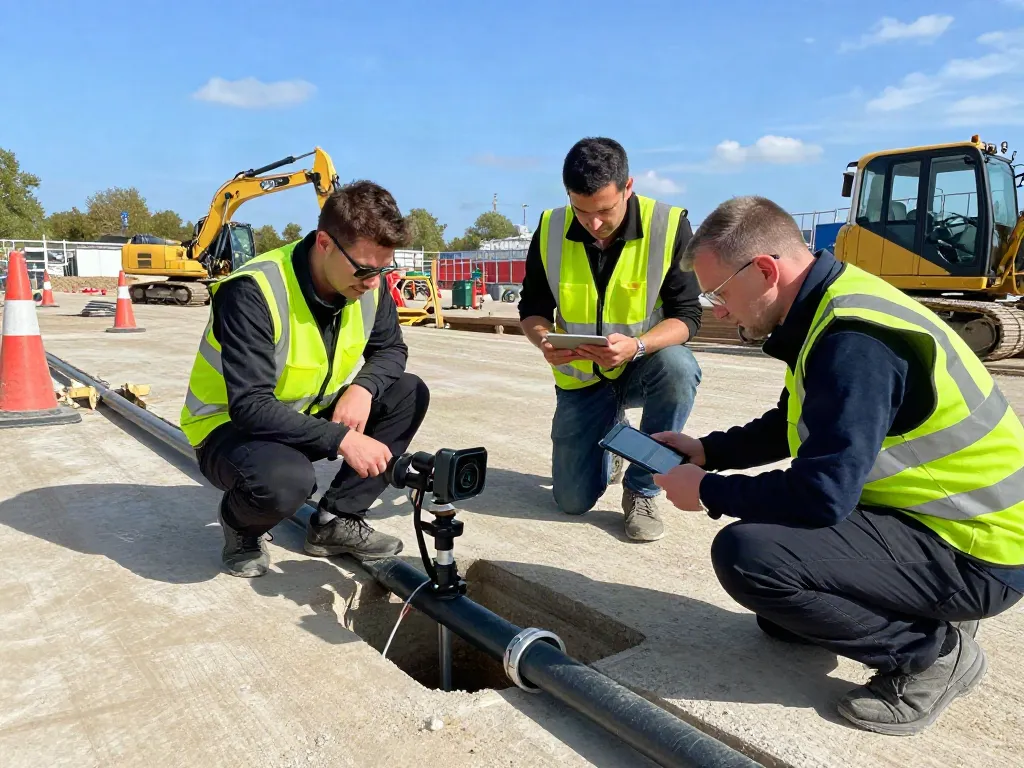
- CCTV Inspection: A camera is inserted into the drainage system to capture real-time footage.
- Data Analysis: The footage is analysed for any signs of damage, blockages, or structural issues.
- Report Compilation: A comprehensive report is generated, including recommendations and possible solutions.
Understanding the Equipment Used in Drainage Surveys
Modern drainage surveys rely heavily on technology. Key equipment includes:
- CCTV Cameras: High-definition cameras that provide clear visual evidence of the drainage condition.
- Sonar Equipment: Used to accurately map the drainage system's layout and detect blockages not visible to cameras.
- Sonde Transmitters: These devices are attached to the camera to help locate the exact position of the pipe underground.
What to Expect in Your Survey Report
A well-structured survey report will include:
- Detailed findings and observations from the survey.
- Video footage of the drainage system.
- Recommendations for repairs or further action.
- CAD drawings if applicable, showing the system layout and issues found.
Future Trends in Drainage Surveys for 2026 and Beyond
As technology continues to evolve, the future of drainage surveying looks promising. Emerging trends indicate a shift toward more efficient, effective methods of inspection and reporting.
Emerging Technologies in Drainage Inspection
Advancements in artificial intelligence and machine learning are poised to revolutionise how drainage surveys are conducted. Automated systems may soon analyse data more effectively, improving the speed and accuracy of surveys.
How Regulations are Changing for Drainage Surveys
With increasing environmental awareness, regulations concerning drainage management and reporting are evolving. Companies may soon face stricter compliance standards, making thorough drainage surveys even more critical for project approvals.
Predictions for the Drainage Survey Industry
Experts predict that the demand for drainage surveys will continue to grow due to urbanisation and the need for infrastructure improvements. More property developers may seek to incorporate drainage surveys as a standard part of their planning process.
What are the Common Signs that You Need a Drainage Survey?
Identifying issues early can save significant time and money. Common signs that suggest the need for a drainage survey include:
- Recurring blockages in your drainage system.
- Unpleasant odours near drain outlets.
- Pooling water in your yard or drive.
- Slow draining sinks or toilets.
How Long Does a Drainage Survey Typically Take?
The duration of a drainage survey can vary based on the property's size and the complexity of the drainage system. Typically, a CCTV survey can be completed within a few hours. However, factors such as needed follow-up work may extend this timeline.
Why are Drainage Surveys Important for Home Buyers?
For home buyers, conducting a drainage survey is an essential step in the property purchasing process. It can reveal hidden problems that may not be visible during an initial inspection, allowing buyers to make informed decisions and negotiate repairs if necessary.
What Equipment Is Used During a CCTV Drain Survey?
During a CCTV drain survey, several types of equipment are used, including:
- High-resolution cameras: For clear footage of the drainage system.
- Remote control equipment: To navigate through complex and winding pipes.
- Recording devices: For capturing and storing footage for further analysis.
How Often Should Commercial Properties Conduct Drainage Surveys?
Commercial properties should ideally conduct drainage surveys every 1-3 years, depending on factors such as location, usage, and prior issues. Regular checks can mitigate potential problems before they escalate into costly repairs.